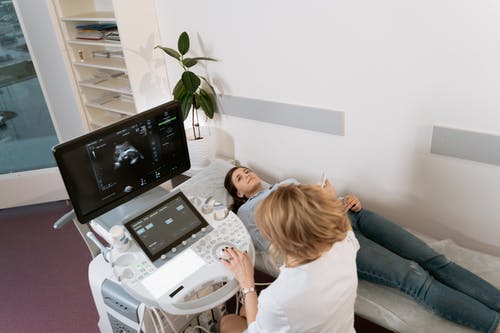
Selecting the right ultrasound probes for obstetric and gynecologic imaging is one of the most important decisions a provider or clinic can make. The probe is the heart of every ultrasound exam—it determines image clarity, depth, and diagnostic accuracy. For OB/GYN applications, where precision and sensitivity matter at every stage of pregnancy and reproductive health, understanding your probe options is essential.
At Ultrasound Trainings, we help physicians, midwives, nurse practitioners, physician assistants, and nurses make informed decisions about their ultrasound equipment, ensuring that their investment supports both exceptional patient care and clinical efficiency.
Understanding How Probes Work
Ultrasound probes (also called transducers) emit sound waves that travel through the body and bounce back to create an image. The type of probe you choose affects:
- Image resolution (how detailed the image appears)
- Penetration depth (how deep the sound waves travel)
- Field of view (how much anatomy you can see at once)
Different probes use different frequencies and shapes to optimize these factors for specific applications.
The Three Essential OB/GYN Probes
1. Curved (Convex) Array Probe
This is the workhorse of obstetric imaging and is ideal for abdominal and late-pregnancy scans.
Key features:
- Frequency: typically 2–5 MHz
- Wide field of view—perfect for visualizing fetal anatomy and amniotic fluid
- Deeper penetration for second and third trimester imaging
Best for:
- Fetal growth and anatomy surveys
- Placental position and amniotic fluid assessment
- Biometric measurements
When choosing a convex probe, look for models with adjustable frequency ranges and ergonomic design for prolonged scanning comfort.
2. Endocavitary (Transvaginal) Probe
For early pregnancy and gynecologic care, the endocavitary probe is essential. Its higher frequency produces sharp, detailed images of the uterus, ovaries, and early gestational structures.
Key features:
- Frequency: typically 5–9 MHz
- Provides high-resolution, close-range imaging
- Narrow field of view but exceptional clarity
Best for:
- Early pregnancy confirmation and viability
- Follicular monitoring and fertility assessments
- Evaluating uterine or adnexal pathology
At Ultrasound Trainings, we emphasize the importance of operator comfort and patient communication with endocavitary scanning. Choosing a probe with a slim design and proper infection control accessories improves both image quality and patient experience.
3. Linear Array Probe (Optional Complement)
Although not always considered a “primary” OB/GYN probe, the linear probe can be useful for specialized applications, such as:
- Evaluating cesarean scars or superficial pelvic structures
- Guiding injections or aspirations in fertility or pelvic floor procedures
- Assessing vascular flow using Doppler imaging
Key features:
- Frequency: typically 7–12 MHz
- High resolution, shallow penetration
- Rectangular field of view
A linear probe adds flexibility to your ultrasound practice, especially for providers performing a variety of women’s health procedures.
What to Consider Before You Buy
Before purchasing, evaluate your needs and workflow:
- Primary Patient Population – Are you focusing on early pregnancy, fertility, or full-term obstetrics?
- Machine Compatibility – Ensure your probes match your ultrasound system’s specifications.
- Portability and Ergonomics – Compact, lightweight probes are ideal for midwives and mobile providers.
- Durability and Warranty – OB/GYN probes undergo frequent disinfection; invest in one designed for long-term reliability.
- Training and Support – Even the best equipment is only as good as the person using it. Make sure your team is properly trained in both technique and maintenance.
How Ultrasound Trainings Can Help
At Ultrasound Trainings, we guide providers through every step—from probe selection to hands-on skill development. Our courses include:
- Probe selection and care basics
- Optimal image settings for each OB/GYN scan type
- Real-world case practice with different transducers
- Troubleshooting and maintenance best practices
We also partner with trusted ultrasound equipment vendors to help you make informed purchases that fit your clinical goals and budget.
The Bottom Line:
Choosing the right ultrasound probe is about aligning your clinical goals with the right technology. Whether you’re a midwife performing early viability scans, a family medicine physician providing prenatal care, or a nurse practitioner supporting women’s health, having the right transducer in your hands transforms your ability to provide accurate, confident, and compassionate care.
Ready to learn more?
Explore Ultrasound Trainings courses to master probe selection, scanning techniques, and real-world applications in OB/GYN ultrasound.