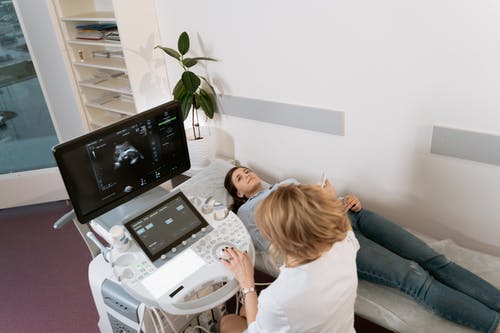
Fetal position is a critical factor in prenatal care and birth planning. Determining whether a baby is in a cephalic (head-down), breech (feet- or buttocks-first), or transverse (sideways) position helps providers anticipate labor progress, counsel families, and make timely decisions about interventions. Ultrasound provides a safe, reliable method for assessing fetal presentation, giving midwives, physicians, nurse practitioners, physician assistants, and nurses essential information for planning safe deliveries.
At Ultrasound Trainings, we emphasize not only technical skill but also practical application, helping providers integrate fetal positioning assessment into routine prenatal visits.
Understanding Fetal Positions
1. Cephalic (Head-Down)
- Most common and ideal for vaginal birth.
- Ultrasound can confirm head engagement in late pregnancy and monitor descent during labor.
- Cephalic presentation allows providers to discuss natural birthing options with families confidently.
2. Breech (Feet or Buttocks First)
- Occurs in about 3–4% of full-term pregnancies.
- Variants include frank breech (legs up), complete breech (legs crossed), and footling breech (one or both feet first).
- Ultrasound confirms presentation and guides counseling regarding:
- Attempted external cephalic version (ECV)
- Mode of delivery planning (vaginal vs. cesarean)
3. Transverse (Sideways)
- Rare, roughly 1 in 300 pregnancies at term.
- Vaginal birth is not possible in this presentation.
- Early identification via ultrasound allows planning for cesarean delivery and prevents labor complications.
How Ultrasound Assesses Fetal Position
Transabdominal scanning is the standard approach to determine fetal orientation. Providers typically:
- Locate the fetal head and spine.
- Assess the relationship to maternal landmarks (fundus, cervix).
- Identify limb positions to distinguish breech variants from transverse or oblique presentations.
Using ultrasound, providers can also track changes over time, since fetal position may shift during the third trimester. Regular assessment ensures timely guidance for families and interventions if needed.
Practical Benefits for Providers and Families
- Early Intervention: Detecting non-cephalic positions before labor allows providers to offer techniques like ECV or plan for cesarean delivery safely.
- Informed Counseling: Families gain a clearer understanding of birth options and potential interventions.
- Improved Birth Outcomes: Accurate assessment of fetal position reduces the risk of complications such as cord prolapse, prolonged labor, and emergent cesarean.
- Enhanced Confidence: Both providers and families feel prepared when delivery decisions are informed by reliable imaging.
Integrating Fetal Position Assessment Into Practice
At Ultrasound Trainings, we teach providers to:
- Perform consistent and accurate position scans during the third trimester
- Document findings clearly in prenatal records
- Communicate results effectively with families, explaining options and expected outcomes
- Combine ultrasound data with palpation and clinical judgment for comprehensive care
Ultrasound is an invaluable tool for assessing fetal position, helping providers identify cephalic, breech, and transverse presentations early and plan safe, informed deliveries. When midwives and other prenatal care providers integrate this skill into routine visits, they enhance safety, support family decision-making, and improve birth outcomes.
Expand your expertise at Ultrasound Trainings, where we provide hands-on instruction in fetal positioning, scanning techniques, and patient-centered communication to optimize prenatal care.