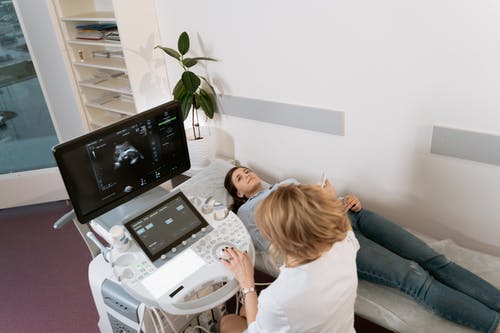
Point-of-care ultrasound (POCUS) is transforming prenatal care by providing immediate, bedside insights into fetal and maternal well-being. For midwives, POCUS offers a practical way to enhance clinical assessments, support informed decision-making, and improve patient safety without relying solely on hospital-based imaging. At Ultrasound Trainings, we teach midwives how to use POCUS effectively, safely, and confidently in a variety of clinical settings.
What POCUS Offers Midwives
1. Rapid Assessment of Fetal Position
- Confirms whether the fetus is cephalic, breech, or transverse, guiding delivery planning and counseling.
- Detects malpresentation early, allowing for timely referral or interventions.
2. Basic Fetal Growth and Well-Being Checks
- Measures key parameters such as biparietal diameter, head circumference, abdominal circumference, and femur length.
- Identifies potential growth restriction or macrosomia, supporting individualized prenatal care.
3. Amniotic Fluid Evaluation
- Screens for oligohydramnios (low fluid) and polyhydramnios (high fluid), helping anticipate labor challenges or complications.
- Provides guidance for follow-up imaging or referral if abnormal levels are detected.
4. Placental Location Assessment
- Confirms the absence of placenta previa or low-lying placenta before labor.
- Supports risk assessment and birth planning in both home and clinic settings.
Advantages of POCUS for Midwives
- Immediate Results: Rapid bedside imaging enhances decision-making during prenatal visits.
- Patient-Centered Care: Families see real-time information about fetal position, growth, and well-being.
- Enhanced Safety: Early detection of potential complications allows proactive management.
- Flexible Use: POCUS can be applied in home visits, clinics, or hospital settings, expanding access to imaging.
Best Practices for Midwives Using POCUS
- Prioritize Training: Master both machine operation and interpretation skills through formal courses.
- Use Standardized Protocols: Ensure consistent measurements and documentation for reliable monitoring.
- Integrate with Clinical Assessment: POCUS complements, not replaces, maternal history, physical exam, and other diagnostics.
- Know Your Limits: Recognize when findings require comprehensive imaging or referral to specialists.
POCUS is an invaluable tool for midwives, offering a rapid, accessible way to assess fetal growth, position, amniotic fluid, and placental location. When used correctly, it enhances prenatal safety, informs birth planning, and empowers families with clear, real-time information.
Advance your skills with Ultrasound Trainings, where midwives receive hands-on, practical instruction in POCUS techniques, interpretation, and patient-centered application.