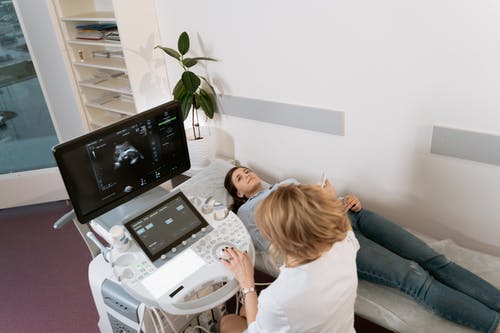
Ultrasound has become an essential tool in modern prenatal care, offering midwives the ability to assess fetal and maternal health quickly, accurately, and safely. By learning ultrasound skills, midwives can enhance their practice, improve patient outcomes, and empower families with real-time information. At Ultrasound Trainings, we provide comprehensive courses designed to equip midwives with the knowledge and hands-on experience necessary to integrate ultrasound into routine care.
Key Benefits of Ultrasound for Midwives
1. Enhanced Clinical Assessment
- Ultrasound allows midwives to evaluate fetal position, growth, and amniotic fluid levels in real time.
- Provides critical data to identify potential complications, such as malpresentation, growth restriction, or placental abnormalities.
2. Improved Decision-Making and Referral
- Early detection of high-risk conditions supports timely referrals to obstetric or maternal-fetal medicine specialists.
- Helps midwives make informed decisions about birth planning, interventions, and monitoring.
3. Empowering Families Through Visualization
- Seeing their baby on ultrasound fosters trust and engagement, helping families understand fetal development and make informed choices.
- Facilitates shared decision-making and enhances patient-centered care.
4. Supporting Home and Birth Center Settings
- Portable ultrasound devices allow assessments in non-hospital environments, enhancing safety for out-of-hospital births.
- Enables midwives to provide high-quality prenatal care without requiring immediate hospital resources.
5. Professional Growth and Competence
- Ultrasound skills expand the midwife’s scope of practice, increasing confidence and expertise.
- Demonstrates commitment to evidence-based care, strengthening professional credibility.
Practical Applications in Midwifery
- First-Trimester Assessment: Confirms gestational age, viability, and number of fetuses.
- Third-Trimester Monitoring: Tracks fetal growth, amniotic fluid, and presentation before birth.
- VBAC Planning: Assesses lower uterine segment thickness and fetal positioning for safe vaginal birth after cesarean.
- Emergency Situations: Rapid evaluation for bleeding, malpresentation, or abnormal fluid volumes.
Training and Implementation
Learning ultrasound requires both theoretical knowledge and hands-on practice. At Ultrasound Trainings, midwives gain:
- Structured instruction on machine operation and measurement techniques
- Practical experience with real-time scanning
- Interpretation skills for safe and effective clinical decision-making
- Guidance on integrating ultrasound into various practice settings
Ultrasound skills empower midwives to provide safer, more informed, and patient-centered care. By integrating ultrasound into practice, midwives can detect potential complications early, enhance family education, and improve outcomes for both mothers and babies.
Invest in your skills with Ultrasound Trainings, where midwives learn to confidently use ultrasound as an essential part of modern prenatal care.