

Tips for Performing Point-of-Care Ultrasound (POCUS)
Point-of-Care Ultrasound (POCUS) is a powerful tool for midwives, nurse practitioners, physicians, and other prenatal providers. When performed correctly, it […]

Point-of-Care Ultrasound (POCUS) is a powerful tool for midwives, nurse practitioners, physicians, and other prenatal providers. When performed correctly, it […]

Point-of-Care Ultrasound (POCUS) is rapidly evolving, with advancements that are reshaping prenatal and maternal care. For midwives, nurse practitioners, physicians,

Point-of-Care Ultrasound (POCUS) is revolutionizing prenatal and maternal care by providing immediate, bedside imaging that informs clinical decisions, enhances patient

If you are a midwife preparing to earn the ARDMS Midwife Sonography Certificate, knowing how to study is just as

Point-of-Care Ultrasound (POCUS) is transforming prenatal and maternal care by providing immediate, bedside imaging that supports timely decision-making. For midwives,

Ultrasound is a critical component of prenatal care, yet access to comprehensive, high-quality training can be a challenge for midwives

Ultrasound is a powerful tool in prenatal care, but not all scans serve the same purpose. Families often benefit from

Ultrasound has become an essential component of prenatal care, offering valuable insights into fetal development, maternal health, and pregnancy management.

Ultrasound technology has already transformed prenatal care, giving midwives and birth center providers the ability to monitor fetal and maternal
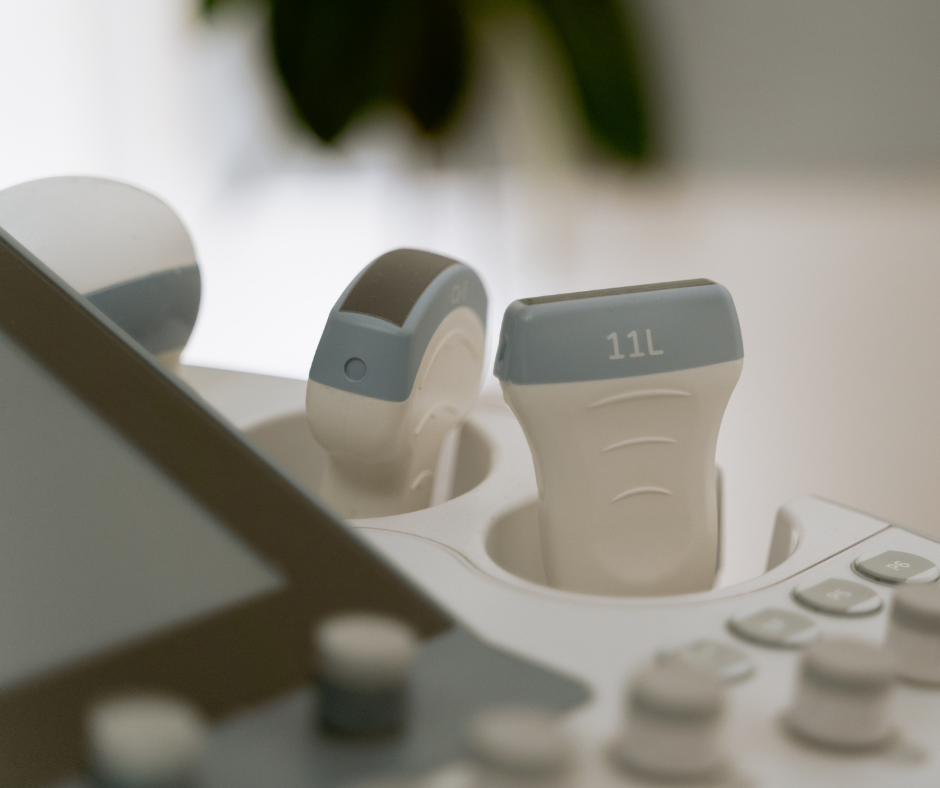
Ultrasound has become a cornerstone of prenatal care, offering real-time insights into fetal development, maternal health, and potential pregnancy complications.