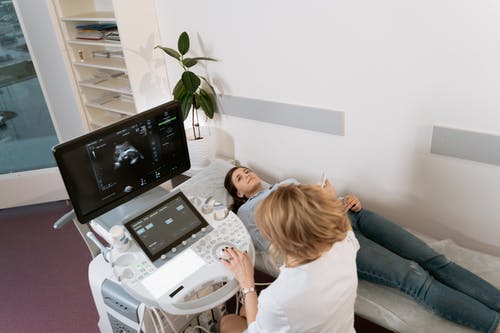
Home birth offers a personalized and empowering birthing experience, but safety remains a top priority. Ultrasound is a powerful tool for midwives and other prenatal providers, enabling them to assess maternal and fetal well-being, identify potential risks early, and plan care appropriately. At Ultrasound Trainings, we equip midwives, physicians, nurse practitioners, physician assistants, and nurses with the skills to integrate ultrasound safely into home birth practice.
Key Ways Ultrasound Enhances Home Birth Safety
1. Confirming Gestational Age and Growth
- Early and accurate dating ensures that labor is occurring at term, reducing the risk of complications associated with post-term pregnancy.
- Serial growth assessments identify intrauterine growth restriction (IUGR) or macrosomia, allowing midwives to plan for potential interventions or referrals.
2. Assessing Placental Position
- Detects placenta previa or low-lying placenta, which can make vaginal birth unsafe.
- Identifying these conditions early allows for referral to an appropriate care setting, minimizing emergency situations during labor.
3. Evaluating Amniotic Fluid Levels
- Ultrasound helps detect oligohydramnios (low fluid) or polyhydramnios (excess fluid), both of which can influence labor management.
- Ensuring normal fluid levels supports safer labor progress and fetal well-being.
4. Confirming Fetal Presentation
- Determines whether the fetus is cephalic, breech, or transverse, which guides decisions about the feasibility of a home birth.
- Identifying non-cephalic positions in advance allows families to plan for hospital transfer if necessary.
5. Supporting VBAC Planning
- For birthing people pursuing vaginal birth after cesarean, ultrasound can assess lower uterine segment thickness and other factors that impact safety.
- Provides reassurance and evidence-based guidance to optimize outcomes.
Practical Benefits for Home Birth Providers
- Risk Reduction: Identifying potential complications before labor begins helps prevent emergencies.
- Informed Counseling: Families receive clear, evidence-based information about birth options.
- Confidence in Care: Both providers and families feel prepared when key assessments are performed.
- Timely Referrals: Ultrasound findings inform decisions about when hospital-based care may be necessary.
At Ultrasound Trainings, our courses emphasize practical, hands-on training for home birth providers, ensuring you can perform essential scans, interpret results accurately, and communicate findings effectively with families.
Ultrasound is a cornerstone of safe, evidence-based home birth care. By integrating fetal growth, placental assessment, amniotic fluid evaluation, and presentation checks into prenatal visits, midwives and other providers can enhance safety, support informed choice, and empower families throughout pregnancy and birth.
Expand your home birth ultrasound skills with Ultrasound Trainings, where we provide comprehensive, practical training tailored for real-world prenatal care.