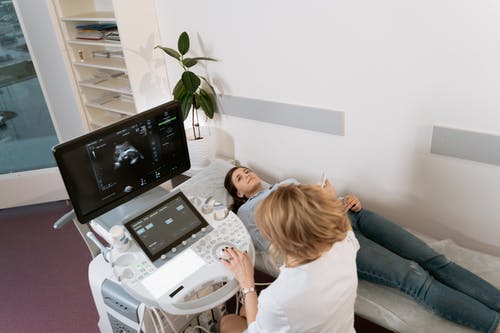
Vaginal birth after cesarean (VBAC) is a safe and achievable option for many birthing people, but careful planning and risk assessment are essential. Ultrasound plays a critical role in evaluating factors that influence the safety and success of a VBAC, helping providers make informed decisions and support families throughout pregnancy. At Ultrasound Trainings, we teach midwives, physicians, nurse practitioners, physician assistants, and nurses how to integrate ultrasound into VBAC planning safely and effectively.
Why Ultrasound Matters for VBAC
Ultrasound provides valuable information that influences VBAC decision-making:
- Assessment of uterine scar thickness: Thinner lower uterine segment may indicate higher risk of rupture.
- Fetal size estimation: Helps anticipate cephalopelvic disproportion or macrosomia.
- Placental location: Ensures there is no placenta previa or low-lying placenta that could complicate labor.
- Fetal presentation: Confirms cephalic presentation before labor.
- Amniotic fluid evaluation: Abnormal fluid levels can affect labor planning and fetal monitoring.
By providing objective data, ultrasound supports individualized care and informed discussions with families considering VBAC.
Key Ultrasound Assessments
1. Lower Uterine Segment (LUS) Thickness
- Measured transabdominally or transvaginally.
- A thicker LUS generally indicates lower risk of uterine rupture.
- Used in conjunction with maternal history and clinical factors to guide labor management.
2. Estimated Fetal Weight (EFW)
- Large-for-gestational-age infants may increase the risk of labor complications.
- Ultrasound helps estimate size and plan for potential interventions.
3. Placental Positioning
- Ensures the placenta is not low-lying or covering the scar.
- Confirms that VBAC is safe from a placental perspective.
4. Fetal Presentation and Position
- Cephalic presentation is ideal for VBAC.
- Ultrasound can identify breech or transverse positions that may necessitate cesarean planning.
Practical Benefits for Providers and Families
- Improved Safety: Objective measurements help identify potential risks before labor begins.
- Enhanced Counseling: Families can make informed decisions about delivery options.
- Labor Planning: Allows for preparation of supportive care, monitoring, and interventions if necessary.
- Confidence in Care: Both providers and families gain assurance from thorough evaluation.
Integrating Ultrasound Into VBAC Care
At Ultrasound Trainings, we teach providers to:
- Perform LUS thickness and fetal growth scans accurately.
- Assess placental position and fetal presentation with confidence.
- Interpret findings in the context of maternal history and labor risk factors.
- Communicate results clearly to support shared decision-making with families.
Ultrasound is a vital tool in VBAC planning, providing critical information that enhances safety, supports informed choice, and guides labor management. By integrating ultrasound into prenatal care, midwives and other providers can optimize outcomes and empower families in their birth choices.
Advance your skills with Ultrasound Trainings, where hands-on education prepares providers to use ultrasound confidently and effectively in VBAC care.