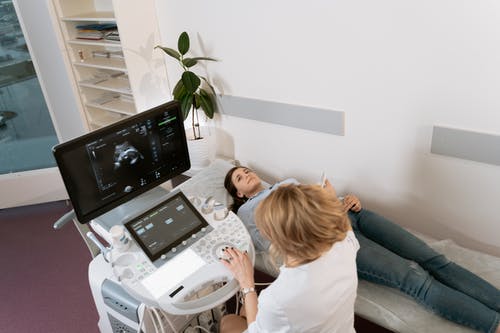
Point-of-Care Ultrasound (POCUS) has rapidly evolved from a specialized hospital tool to an essential instrument in prenatal, emergency, and bedside care. For midwives, nurse practitioners, physicians, and other prenatal providers, understanding the history of POCUS provides context for its growing role in improving patient outcomes. At Ultrasound Trainings, we emphasize both the historical development and modern application of POCUS in clinical practice.
Early Beginnings
- 1950s–1960s: Ultrasound technology was first introduced in obstetrics, primarily in hospital radiology departments for research and limited clinical use.
- 1970s: Advances in imaging quality allowed broader adoption in fetal assessment, including measurements of gestational age, fetal growth, and basic anatomical evaluation.
The Shift Toward Point-of-Care
- 1980s–1990s: Portable ultrasound devices began to appear, enabling clinicians to perform bedside imaging outside radiology departments.
- Emergency Medicine Adoption: POCUS gained prominence in emergency medicine, where rapid assessment of trauma, fluid status, and cardiac function was critical.
- Birth Center and Out-of-Hospital Applications: Early adopters in midwifery recognized the potential for portable ultrasound to improve prenatal care in home and birth center settings.
Technological Advancements
- Miniaturization: Modern handheld devices make ultrasound portable, affordable, and accessible in diverse care settings.
- Digital Imaging: Improved image resolution and storage capabilities expanded diagnostic accuracy and telemedicine integration.
- Point-of-Care Protocols: Standardized scanning protocols emerged, enabling non-radiology clinicians to perform targeted, reliable assessments safely.
Integration into Midwifery and Prenatal Care
- Clinical Utility: POCUS allows midwives to quickly evaluate fetal presentation, heartbeat, growth, and amniotic fluid, supporting informed decision-making.
- Education and Training: Programs like Ultrasound Trainings have emerged to provide structured curricula, hands-on workshops, and hybrid learning for midwives and other prenatal providers.
- Patient-Centered Care: POCUS enhances family engagement, reassurance, and bonding during prenatal visits.
Today and Beyond
POCUS has transitioned from a specialized tool to a standard component of modern prenatal and maternal care. With ongoing innovations, including artificial intelligence, tele-ultrasound, and further miniaturization, POCUS continues to expand its clinical impact.
Learn POCUS with Ultrasound Trainings and join a new generation of midwives and prenatal providers who are harnessing this technology to deliver safer, more informed, and compassionate care.