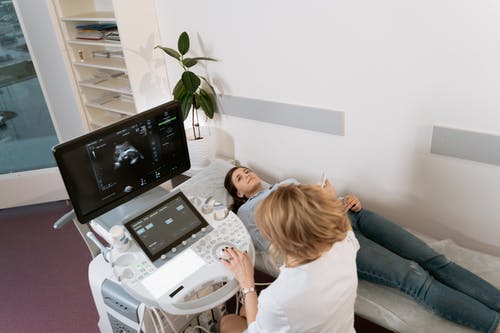
Out-of-hospital birth, whether at home or in a birth center, provides families with personalized and supportive care. However, ensuring safety and timely intervention when necessary is paramount. Ultrasound has become an invaluable tool for midwives and other prenatal providers practicing in these settings, enabling them to assess maternal and fetal health, identify risks early, and make informed decisions. At Ultrasound Trainings, we specialize in equipping providers with the skills to use ultrasound effectively outside the hospital environment.
Key Applications of Ultrasound in Out-of-Hospital Settings
1. Determining Gestational Age and Fetal Growth
- Early and accurate dating ensures labor occurs at term and helps track fetal growth trends.
- Identifies potential intrauterine growth restriction (IUGR) or macrosomia, guiding care planning and referral if needed.
2. Assessing Fetal Presentation
- Confirms whether the fetus is cephalic, breech, or transverse, which is critical for delivery planning.
- Early detection of malpresentation allows timely discussion of options and potential hospital transfer.
3. Evaluating Placental Position
- Detects placenta previa or low-lying placenta, which could make out-of-hospital birth unsafe.
- Guides decision-making regarding birth setting and the need for referral.
4. Monitoring Amniotic Fluid Levels
- Identifies oligohydramnios or polyhydramnios, helping anticipate labor complications.
- Supports individualized care planning and informs discussions with families about safety.
5. Supporting VBAC and High-Risk Birth Planning
- Ultrasound can assess lower uterine segment thickness and other factors relevant to VBAC.
- Provides information to guide safe planning for higher-risk pregnancies in non-hospital settings.
Benefits for Providers and Families
- Enhanced Safety: Early detection of complications allows proactive intervention or referral.
- Informed Decision-Making: Families receive clear, evidence-based guidance regarding birth options.
- Empowered Care: Midwives and other providers can make timely decisions with confidence.
- Flexibility: Portable ultrasound devices enable assessment in home visits, birth centers, or community clinics.
At Ultrasound Trainings, our courses emphasize hands-on practice and real-world application, ensuring providers can confidently use ultrasound to optimize safety in out-of-hospital birth settings.
Ultrasound is a vital component of safe, evidence-based out-of-hospital care. By integrating fetal growth monitoring, placental assessment, fluid evaluation, and presentation checks, providers can support safe birth planning, enhance family confidence, and improve outcomes.
Advance your out-of-hospital ultrasound skills with Ultrasound Trainings, where practical instruction prepares you to deliver high-quality, safe prenatal care in any setting.