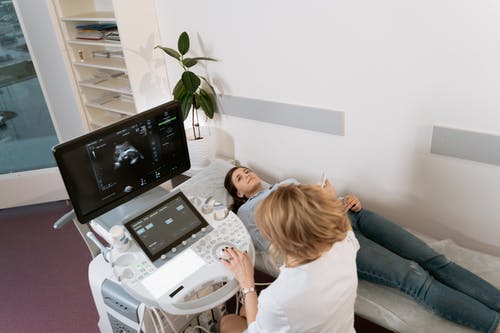
Ultrasound is an invaluable tool in modern prenatal care, providing insight into fetal growth, positioning, and well-being. However, the question of whether every midwife should be certified in ultrasound is a topic of ongoing debate. At Ultrasound Trainings, we explore both sides of the discussion and help midwives make informed choices about incorporating ultrasound into their practice.
Arguments in Favor of Universal Ultrasound Certification
1. Enhanced Clinical Competence
- Certification equips midwives with the skills to perform scans accurately, recognize abnormalities, and make timely clinical decisions.
- Early detection of complications, such as placenta previa or fetal growth restriction, can improve maternal and fetal outcomes.
2. Increased Autonomy and Confidence
- Midwives trained in ultrasound can perform assessments independently, especially in birth center or home birth settings.
- Certification supports professional credibility and fosters trust with families and interdisciplinary teams.
3. Expanded Scope of Practice
- Proficiency in ultrasound opens opportunities for leadership, teaching, and collaboration within healthcare teams.
- Offers potential for additional income streams through in-office imaging services.
Arguments Against Universal Ultrasound Certification
1. Not Always Clinically Necessary
- Many low-risk pregnancies can be safely managed using traditional assessments, such as fundal height and fetal movement tracking.
- Mandating certification may not significantly impact outcomes in all settings.
2. Resource and Cost Considerations
- Training, certification, and equipment require financial investment and time.
- Smaller practices or home birth midwives may find it challenging to implement ultrasound services effectively.
3. Risk of Overmedicalization
- Routine scanning for low-risk pregnancies could shift focus away from holistic, personalized care.
- Overreliance on imaging may increase anxiety or unnecessary interventions.
Middle Ground: Optional but Highly Recommended
- While universal certification is not strictly required, ultrasound proficiency is increasingly seen as a valuable skill for midwives committed to comprehensive, evidence-based care.
- Certification allows midwives to provide enhanced safety, client education, and professional flexibility while preserving the choice to maintain a low-intervention practice style.
Considerations for Midwives
- Evaluate Practice Setting: Home birth, birth center, or hospital-based midwives may have different needs and resources.
- Assess Client Population: High-risk pregnancies or clients seeking advanced prenatal imaging may benefit most from certified ultrasound providers.
- Balance Training with Philosophy: Certification should complement, not compromise, midwifery principles of individualized, patient-centered care.
The debate over universal ultrasound certification for midwives reflects the evolving role of imaging in prenatal care. While not mandatory for all, certification offers significant advantages in clinical competence, safety, and professional growth. Midwives should weigh the benefits, costs, and philosophical alignment with their practice before deciding to pursue ultrasound certification.
Explore comprehensive ultrasound training with Ultrasound Trainings, where midwives gain the skills, knowledge, and confidence to integrate imaging safely and effectively into their care.